

HCPC, CSP &
ACPPLD registered
30+ 5-star
reviews
12+ years
NHS experience
No GP
referral needed
Up to 1-hour,
unrushed appointments
A local family-run physiotherapy practice
Village Physio is a family-owned private physiotherapy practice established in 2021 and based in Rotherham, providing personalised physiotherapy at home across South Yorkshire and nearby areas.
We support children with developmental delays, as well as adults and older people with mobility difficulties, neurological conditions, physical or learning disabilities, and recovery after surgery or illness – helping patients remain as independent, confident, and active as possible within their everyday lives.
Why families choose Village Physio
Patient-centred care
Appointments scheduled for up to one hour, tailored to each person’s mobility, rehabilitation goals, physical needs, and daily routine, delivered with a calm and individual approach informed by 12+ years of NHS experience.
Convenience
Home visits across South Yorkshire with flexible appointments, no GP referral needed, and no stressful travel, parking, or crowded waiting rooms before appointments.
Comfort
Rehabilitation within familiar surroundings, helping people practise real-life movement safely and confidently within their own home and everyday environment.
Trusted locally
Supporting patients, carers, care homes, and community organisations across South Yorkshire, with over 30 5-star reviews and care provided by an HCPC-registered Chartered Physiotherapist and CSP member.
Our services






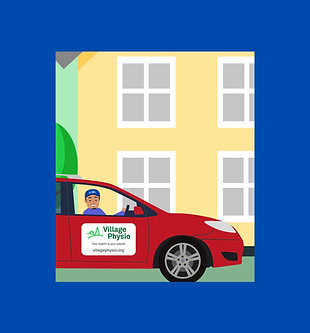
Trusted by patients and carers
Our team
Village Physio is led by Chartered Physiotherapist Animesh (“Mesh”) Sundas and Sam Logan, a husband-and-wife team passionate about providing calm, person-centred rehabilitation within the community.
With over 12 years of NHS experience across neurological rehabilitation, falls prevention, older adults physiotherapy, and community rehabilitation, Mesh brings extensive clinical experience to home visits across South Yorkshire.


Conditions we treat
Complex Needs Physiotherapy
Musculoskeletal Physiotherapy
Children's Physiotherapy
Physiotherapy for Older Adults
-
Bedbound
-
Elderly frailty
Physiotherapy for Health Conditions
Surgery and Hospital Rehabilitation
Locations we serve
We cover South Yorkshire and the surrounding areas with home visits. Prices vary slightly by postcode areas.


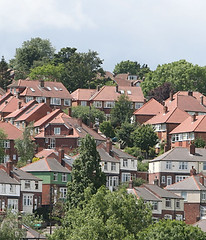

Barnsley Physiotherapy
Frequently asked questions
Visit our frequently asked questions page for answers to common questions about our physiotherapy services.
Our physiotherapy blog
Visit our physiotherapy blog for practical advice, self-help resources, and informative articles from Village Physio. We regularly share content on topics such as home physiotherapy, falls prevention, arthritis, neurological rehabilitation, and staying active at every stage of life.


Upcoming events
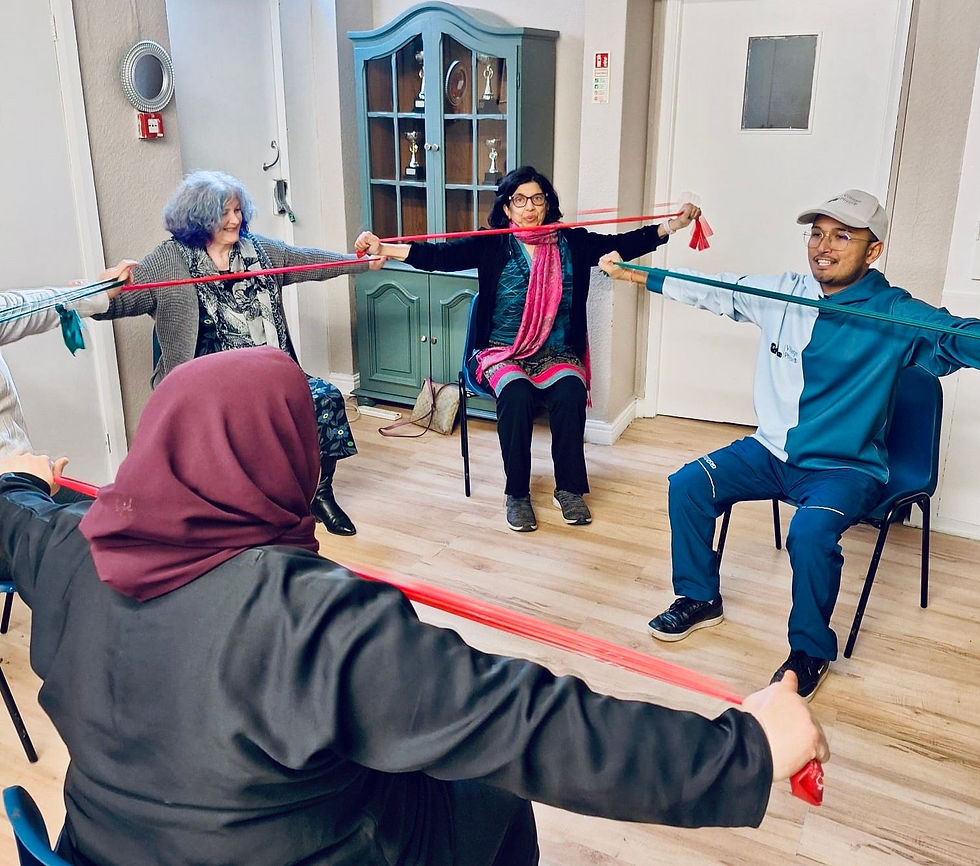 Multiple DatesWed 04 NovUnited Multi CulturalJoin free weekly physiotherapy and strength and balance exercise classes for women aged 45+ in Rotherham Town Centre. Enjoy gentle, mainly chair-based exercises to improve mobility, confidence and balance, led by an experienced Chartered Physiotherapist. Every Wednesday, 1pm–2pm.


