
Acute Brain Injury – What to Expect During Recovery
Updated: Apr 30
An acute brain injury can be life-changing – for both the individual and their family.
Whether caused by trauma, stroke, infection or lack of oxygen, the early stages can feel overwhelming. After hospital treatment, many families are left asking:
“What happens next?”
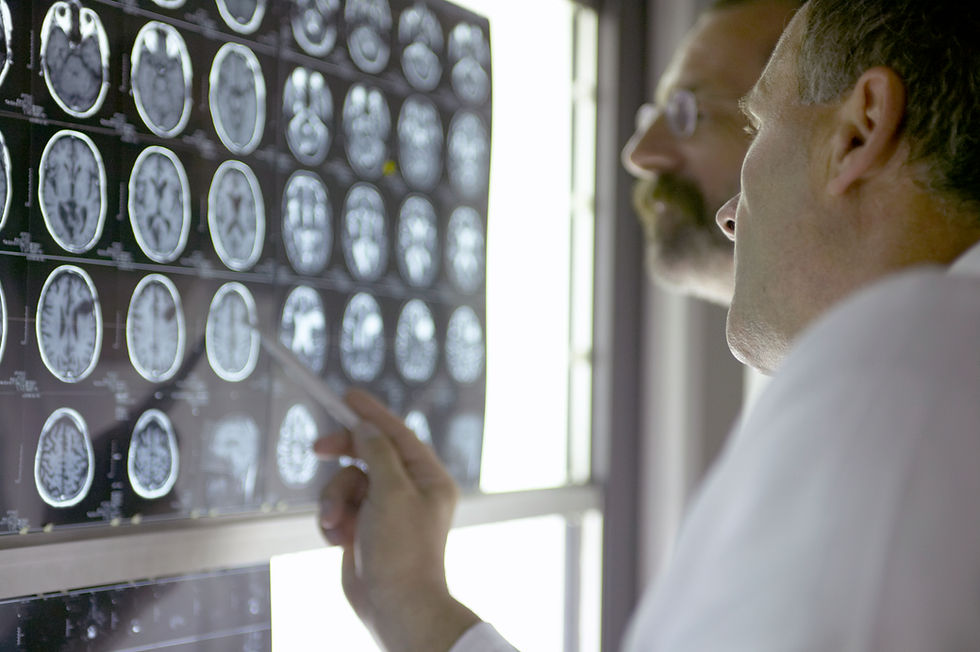
At Village Physio, we provide home neurological physiotherapy across Rotherham, Sheffield, Doncaster and Barnsley. Rehabilitation plays a vital role in recovery after an acute brain injury.
Here’s what to expect.
What Is an Acute Brain Injury?
An acute brain injury is sudden damage to the brain.
Common causes include:
• Traumatic brain injury from falls or accidents
• Stroke
• Brain infection
• Lack of oxygen
• Brain haemorrhage
The effects depend on the area of the brain affected and the severity of the injury.
Common Physical Effects After Brain Injury
Recovery looks different for everyone.
Some common challenges include:
• Difficulty walking
• Poor coordination
• Fatigue
• Muscle stiffness or spasticity
• Reduced endurance
• Difficulty with dual-task activities
Even when thinking and speech improve, physical confidence can remain reduced.
Why Early Rehabilitation Matters
The brain can adapt and form new pathways – this is called neuroplasticity.
Rehabilitation supports this process through:
• Repetition
• Structured movement
• Task-specific practice
• Gradual progression
The earlier and more consistent the rehabilitation is, the better the outcomes tend to be.
What Does Physiotherapy After Brain Injury Involve?
Physiotherapy focuses on restoring safe, functional movement.
Rehabilitation may include:
• Targeted strengthening
• Balance training
• Gait retraining
• Functional practice – stairs, transfers, indoor mobility
• Spasticity management
• Fatigue management strategies
Home-based physiotherapy allows rehabilitation to take place in the environment where daily life happens.
How Long Does Recovery Take?
There is no fixed timeline; some people improve rapidly in the first few months, whereas others progress gradually over a longer period. Progress often continues beyond the early hospital phase, with structured rehabilitation at home. Consistency matters more than speed.
When Should You Seek Ongoing Physiotherapy?
You may benefit from home neurological physiotherapy if:
• Walking remains unsteady
• Balance is reduced
• Fatigue limits activity
• Confidence has declined
• There have been falls
• Hospital therapy has ended, but recovery is ongoing
Recovery does not stop when discharge happens.
Acute Brain Injury Physiotherapy in South Yorkshire
Village Physio provides one-hour appointments across:
• Barnsley
We focus on meaningful, practical rehabilitation to improve strength, balance and independence at home.
If you or a loved one is recovering from an acute brain injury, we are happy to discuss how physiotherapy may help. Please get in touch to arrange a home visit.


Comments